

Choosing Reliable Building Supplies for Strength, Performance, and Longevity
Construction projects of every size rely heavily on the quality and reliability of the materials used during the building process. Whether developing a new home, upgrading a commercial facility, or completing a renovation project, construction materials influence durability, structural performance, appearance, and long-term maintenance requirements. Builders, contractors, and property owners often understand that selecting the right materials is not simply about appearance or cost alone. The products chosen for a project can directly affect safety, energy efficiency, weather resistance, and the overall lifespan of the structure itself. Contractors and builders regularly source construction materials for residential and commercial projects.
Residential construction projects often focus on balancing functionality, comfort, and visual appeal. Homeowners may look for materials that provide durability while also complementing the design and style of the property. Roofing products, framing lumber, insulation, drywall, flooring, and exterior finishes all contribute to how well a home performs over time. In many cases, modern homeowners also prioritize energy-efficient materials that help reduce long-term utility costs while improving indoor comfort throughout changing seasons.
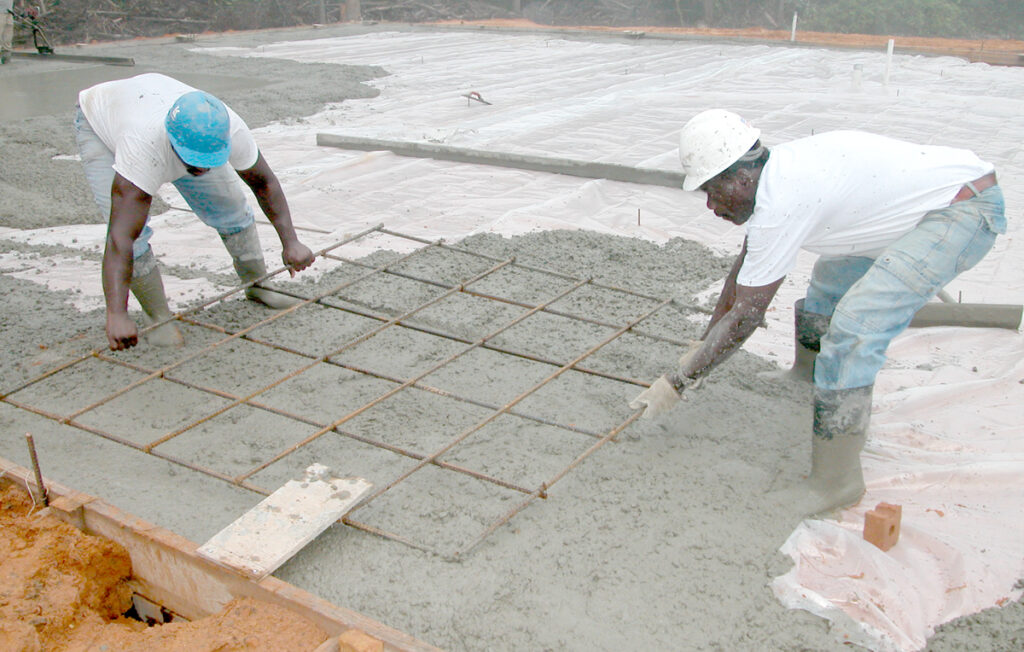
Industrial construction projects typically require materials capable of handling heavier demands and more intense operating environments. Warehouses, manufacturing facilities, storage buildings, and commercial structures often rely on reinforced concrete, steel components, heavy-duty roofing systems, and specialized materials designed for long-term durability under constant use. Industrial environments frequently involve exposure to equipment vibration, weather conditions, high traffic, or operational stress that standard residential materials may not be designed to withstand. Because of this, reliability and structural performance become major priorities during material selection.
Renovation projects create another unique set of challenges when choosing construction materials. Older buildings often require products that integrate properly with existing structures while improving overall functionality and appearance. Contractors working on renovations may need to address aging systems, outdated materials, water damage, structural wear, or changing building standards. In these situations, selecting compatible and dependable materials becomes essential for ensuring the updated space performs safely and efficiently for years to come.
Supply quality and consistency also play important roles in keeping projects on schedule. Delays caused by material shortages, poor-quality products, or damaged shipments can significantly affect timelines and budgets. Many contractors and developers prioritize working with suppliers known for reliable inventory, dependable delivery schedules, and durable products that meet construction standards. Consistent material performance helps reduce costly repairs, replacements, and future maintenance concerns after construction is complete.
As building methods continue evolving, construction materials are also becoming more advanced in terms of performance, sustainability, and efficiency. Property owners today often seek products designed to withstand weather exposure, improve insulation, reduce maintenance needs, and support long-term value. From residential homes to industrial facilities and renovation projects, quality construction materials remain one of the most important foundations of safe, durable, and successful building projects. Careful material selection helps ensure structures continue performing reliably while supporting both practical needs and long-term investment goals.
…