

Designed for Winter Roads, Built for Safety
Snow tires tend to get talked about right around the first real cold snap, usually when the roads start acting unpredictable and commutes suddenly take longer. Winter driving has a way of reminding people that not all tires are created equal, especially once temperatures drop and pavement feels slick even before the snow starts falling. There is something reassuring about knowing a vehicle is equipped to handle what winter throws at it, whether that is early morning frost, packed snow, or slushy intersections. Winter tires are built for these moments, with rubber compounds that stay flexible and tread patterns that actually work with snow instead of fighting it. The result is not just better traction, but a calmer driving experience that feels more controlled and less stressful. When the car responds the way, it should, confidence naturally follows, and winter driving becomes less about white knuckles and more about steady progress.
As temperatures dip, the difference between winter tires and all-season tires becomes more noticeable with every mile. All season tires are designed to compromise, doing many things reasonably well but struggling when conditions turn harsh. Winter tires stay pliable, allowing them to conform to the road surface and maintain contact even on icy patches. Braking is where many drivers really feel the benefit, because stopping distances on cold, slick roads are significantly shorter. That extra margin can mean the difference between a close call and a collision, which is why winter tires are often described as a safety upgrade rather than a seasonal accessory.
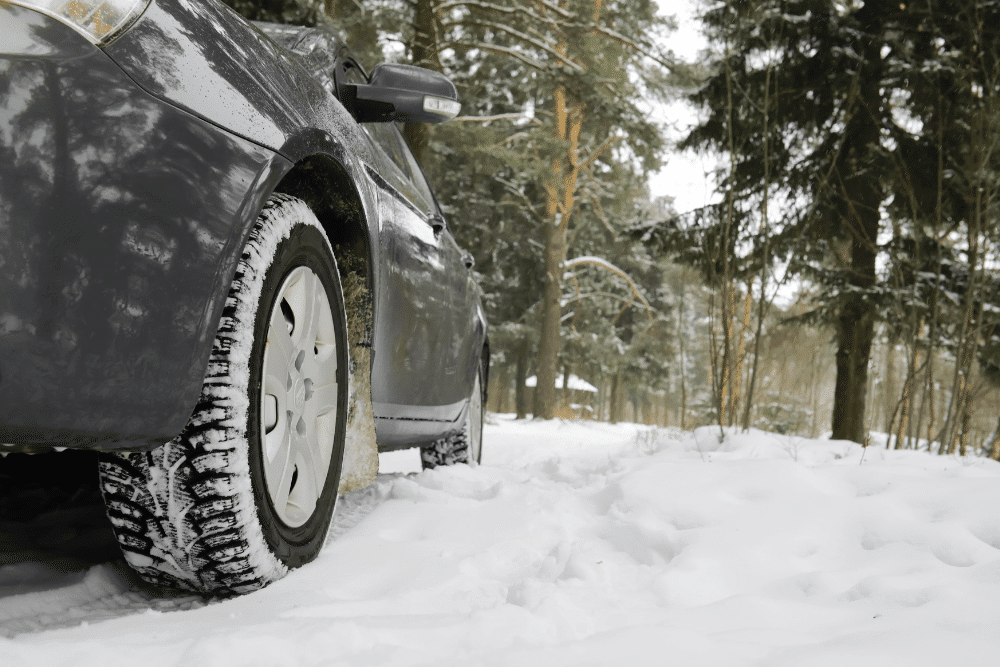
Handling is another area where winter tires quietly earn their reputation. Turning a corner on a snowy street or navigating a wet highway ramp can feel unpredictable without the right equipment. Winter tires improve stability by distributing pressure more evenly across the tread, giving the vehicle a more planted feel. This makes steering inputs feel more precise and predictable, which matters when reacting to sudden changes like an unexpected obstacle or a vehicle braking ahead. It is not about driving faster; it is about maintaining control in situations where the road surface offers less forgiveness. That sense of control helps drivers stay relaxed and focused, even when winter conditions try to test patience.
Another overlooked advantage of winter tires is how well they perform in mixed conditions. Winter is rarely just snow or ice, it is often a combination of cold rain, slush, refreezing patches, and damp roads that never quite dry out. Winter tires are designed for this variety, channeling water and slush away from the contact patch to reduce slipping. This reliability builds trust over time, because the vehicle behaves the same way whether the road is wet, lightly snow covered, or simply cold. That predictability reduces driver fatigue and makes daily trips feel less demanding.
Snow tires come back into the conversation toward the end of winter, when drivers realize how much smoother the season felt with the right setup. The confidence they provide often becomes something people are reluctant to give up once spring approaches. Winter tires are not just about surviving bad weather; they are about driving with intention and care when conditions are less than ideal. Investing in them means choosing safety, control, and peace of mind for months when the roads can change without warning. For anyone who values steady handling, shorter stops, and dependable performance in cold weather, winter tires prove their worth every time the temperature drops and the road demands more.
…