

Supporting Language Growth and Confidence Through Specialized Therapy
Communication is one of the most important parts of a child’s development, helping them express emotions, build relationships, learn in school, and interact with the world around them. For children with hearing impairments, developing speech and language skills may require additional support and specialized guidance to help them communicate more effectively. Speech therapy plays a valuable role in helping hearing impaired children strengthen communication abilities while building confidence and independence throughout their developmental journey. Many families explore speech therapy for hearing impaired child communication development and confidence building.
Every child experiences hearing loss differently, which means communication needs can vary greatly from one child to another. Some children may use hearing aids or cochlear implants, while others rely more heavily on visual communication methods or alternative language systems. Speech therapists work closely with children and families to create personalized strategies that support each child’s unique strengths, hearing abilities, and learning style. The goal is not simply improving speech clarity but helping children communicate comfortably and confidently in everyday situations.
Therapy sessions often focus on developing listening skills, speech production, vocabulary growth, language comprehension, and social communication. Children may practice recognizing sounds, forming words more clearly, understanding sentence structures, or improving conversational interaction with others. Therapists use engaging and age-appropriate activities to encourage participation while helping children stay motivated during sessions. Through repetition, visual support, and interactive exercises, children gradually strengthen the communication skills needed for school, friendships, and daily life.
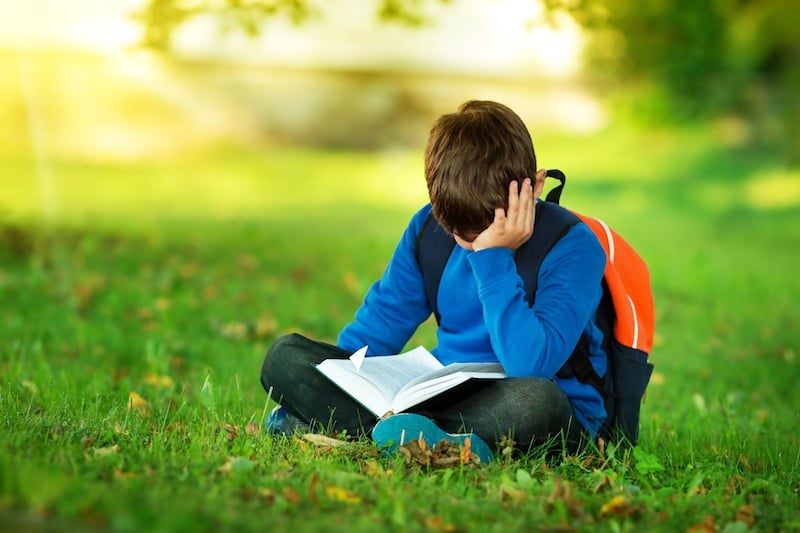
Early intervention can make a significant difference in language development for hearing impaired children. During early childhood, the brain is highly adaptable and responsive to language learning, making this an important time to introduce communication support. Families who seek therapy early often gain valuable tools that help children develop stronger listening and language skills before communication challenges begin affecting academic or social experiences more significantly. However, therapy can still provide meaningful benefits for older children who need continued support as communication demands increase over time.
Parental involvement is also an essential part of the therapy process. Speech therapists often guide families on ways to support communication development at home through conversation, reading, play-based activities, and daily routines. Consistent interaction helps children practice language skills naturally outside formal therapy sessions. Many parents find reassurance in learning strategies that improve communication while helping them better understand their child’s progress and individual needs.
Speech therapy can also help children build confidence in social environments where communication may sometimes feel challenging or frustrating. As children strengthen speech and language skills, they often become more comfortable participating in classroom discussions, making friends, and expressing thoughts or emotions more clearly. This increased confidence can positively influence emotional well-being and encourage greater independence over time.
Every child deserves the opportunity to communicate in ways that help them feel understood, connected, and included. Speech therapy provides hearing impaired children with supportive tools and guidance that encourage language growth while respecting each child’s unique communication journey. Through patience, encouragement, and personalized care, therapy can help children develop stronger communication abilities that support learning, relationships, and everyday life experiences well into the future.
…